 Request a Tutor Devenez tuteur
Bangkok, Thaïlande
Hello! I'm a licensed and TEFL-certified English teacher from the Philippines. I hold a bachelor's and master's degree in English.
I offer New Concept, Classic English, Cambridg... En savoir plus

Notre Dame of Marbel University
Notre Dame of Marbel University
This is a sample PPT of the book 1000 words. This is go...
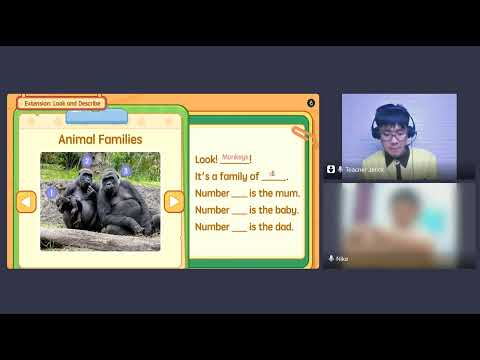
In this lesson, my student and I simulated a scenario f...
Aucun fichier n'a encore été téléchargé.
I teach writing by focusing on structure, clarity, and coherence. I guide students in creating strong thesis statements, outlining their ideas, and organizing essays logically. Through practice, feedback, and revisions, I help them improve grammar, style, and argumentation. Regular writing exercises and constructive feedback develop their skills over time.
I help students with grammar, spelling, and punctuation through targeted exercises and explanations. I break down rules clearly, provide practice with real examples, and offer immediate feedback. For spelling, I encourage regular practice with word lists and context-based activities. Punctuation is reinforced through sentence correction and writing exercises, helping students apply rules in context.
I teach reading by focusing on active reading strategies like annotating, summarizing, and questioning the text. I guide students to identify key ideas, understand context, and recognize the author's purpose. To improve reading comprehension, I use varied texts and follow up with discussion and targeted questions. I also teach skills like making inferences, identifying themes, and recognizing literary devices, helping students analyze and retain information more effectively.
I help students with literary analysis and critical thinking by encouraging them to analyze texts deeply and question the author's choices. I guide them in identifying themes, literary devices, and character development. Through discussions, I challenge them to form and support their interpretations with evidence from the text. I also use comparative analysis, helping students connect themes across different works and consider multiple perspectives. This approach fosters critical thinking, enabling students to engage with literature more thoughtfully and analytically.
I help students with pronunciation and enunciation by first identifying specific sound or word stress issues. I use listening and repeating exercises, where students mimic native speakers, and focus on challenging sounds or word endings. I also work on enunciation by breaking down words into syllables and practicing slow, clear pronunciation. Through tongue twisters, minimal pair drills, and recording activities, students gain confidence in speaking clearly. I provide immediate feedback and encourage consistent practice to improve their clarity and fluency.
I help students with public speaking and presentation skills by focusing on preparation, delivery, and confidence-building. I guide them in structuring their presentations with a clear introduction, body, and conclusion, while emphasizing the importance of engaging the audience. We practice effective use of body language, voice modulation, and eye contact to enhance delivery. I also encourage rehearsal in front of peers to build comfort, providing feedback on pacing, clarity, and use of visual aids. Additionally, I help students handle nerves by teaching relaxation techniques and emphasizing positive self-talk, ensuring they feel confident and well-prepared.
Yes, I simplify complex English grammar rules by breaking them down into easy-to-understand concepts with clear examples. I focus on making abstract rules more relatable by connecting them to real-life situations. For instance, instead of just explaining subject-verb agreement, I might show how a subject and its verb need to “match” in number (singular or plural) through simple sentences. I also use visual aids, analogies, and practice exercises to reinforce understanding, ensuring that students can apply the rules with confidence.
I motivate students who struggle with the language by focusing on their progress, no matter how small, and celebrating those achievements. I make lessons relevant and engaging, using topics or activities that interest them to keep them invested. I set clear, attainable goals so they can see their improvement, and I emphasize that making mistakes is part of the learning process. I provide consistent positive reinforcement and create a supportive environment where students feel comfortable asking questions and taking risks. By helping them build confidence and a growth mindset, they become more motivated to keep learning.
Curricula differ from one school to another. The best that I can do is to be flexible and adapt to whatever curriculum the student has.
I help students prepare for English exams and assignments by focusing on key skills and strategies. For exams, I provide practice with past papers or mock tests, helping students familiarize themselves with the format and time constraints. I emphasize the importance of understanding exam rubrics and practicing test-taking strategies, such as time management and question analysis. For assignments, I guide students through brainstorming, organizing, drafting, and revising their work, ensuring their ideas are clear and well-supported. I also offer feedback on writing and presentation skills to help them improve their overall performance. Regular review sessions and targeted practice help students feel confident and well-prepared.
I ensure students stay actively engaged during tutoring by making lessons interactive and relevant to their interests. I use a mix of activities like discussions, hands-on exercises, and games to keep them involved. I encourage questions and actively involve them in problem-solving to promote critical thinking. I also provide immediate feedback, which helps students stay focused and understand their progress. Tailoring lessons to their individual needs and using real-life examples also keeps the content engaging and meaningful. By maintaining a supportive, dynamic atmosphere, I keep students motivated and invested in their learning.
I help students with test-taking strategies by focusing on time management, encouraging them to tackle easier questions first, and then addressing harder ones. I teach them to skim and scan reading passages for main ideas and details and to eliminate incorrect multiple-choice answers. I also emphasize the importance of reviewing grammar and punctuation before submitting answers and staying calm to reduce anxiety. These strategies help students stay focused, manage time efficiently, and improve their performance.
Yes, I’m happy to provide additional practice problems and resources for independent study. I can create custom exercises based on the student’s needs, share relevant study materials, and recommend websites, books, or apps that offer further practice. These resources are designed to reinforce concepts covered in sessions and help students build confidence and mastery outside of tutoring hours.
Yes, I can assist with English language certification exams like TOEFL or IELTS. I help students prepare by focusing on the specific sections of each test, such as listening, speaking, reading, and writing. For TOEFL or IELTS, I provide practice with test formats, tips for managing time, strategies for answering different question types, and help with improving fluency and academic English skills. I also offer feedback on writing and speaking practice to ensure students feel confident and well-prepared for the exams.
Yes, I can help guide you in choosing appropriate reading materials based on the student’s proficiency level and learning goals. For beginners, graded readers, short stories, and simple articles from websites like Newsela or BBC Learning English are great options. For intermediate learners, I recommend novels, news articles, and essays that focus on real-world language and cultural topics. Advanced learners can benefit from classic literature, academic papers, or opinion pieces that challenge vocabulary and comprehension. I also encourage students to read materials that align with their personal interests, as this makes reading more engaging and enjoyable. Regularly reading a variety of genres and styles improves vocabulary, grammar, and overall language fluency.
I help students with business English skills by focusing on practical communication scenarios. For professional email writing, I teach the structure and tone of formal emails, including greetings, clear subject lines, appropriate language, and how to convey messages politely and concisely. I provide templates and examples to guide them. For conducting meetings, I focus on key phrases for starting, managing, and concluding discussions, as well as strategies for active listening, asking questions, and giving feedback. We practice role-playing business scenarios to build confidence and fluency. I also emphasize vocabulary related to business topics, such as negotiations, presentations, and problem-solving, ensuring students can communicate effectively in a professional setting.
I help students understand and apply literary devices by first explaining their definitions and functions in simple terms. I provide examples from well-known texts, highlighting how authors use devices like metaphor, simile, personification, symbolism, and irony to enhance meaning and create impact. We analyze passages together, discussing how these devices contribute to the overall themes and tone of the work. I also encourage students to identify literary devices in their reading, guiding them to see how these elements shape character development, plot, and style. Through practice and discussion, students develop the ability to recognize and apply literary devices in their analyses and writing.
I encourage students to pursue their own writing interests by helping them identify topics they’re passionate about and connecting those interests to writing projects. I offer flexibility in assignments, allowing students to choose their own themes or genres, whether it’s fiction, poetry, or personal essays. I foster a supportive environment where they feel comfortable experimenting with different styles and voices. By providing regular feedback, I help students refine their ideas while respecting their creative choices. I also recommend reading materials related to their interests to inspire and motivate them further. This approach helps students see writing as a form of self-expression, making the process more enjoyable and meaningful.




 Vidéo d'introduction
 Diplômes
 Matériel pédagogique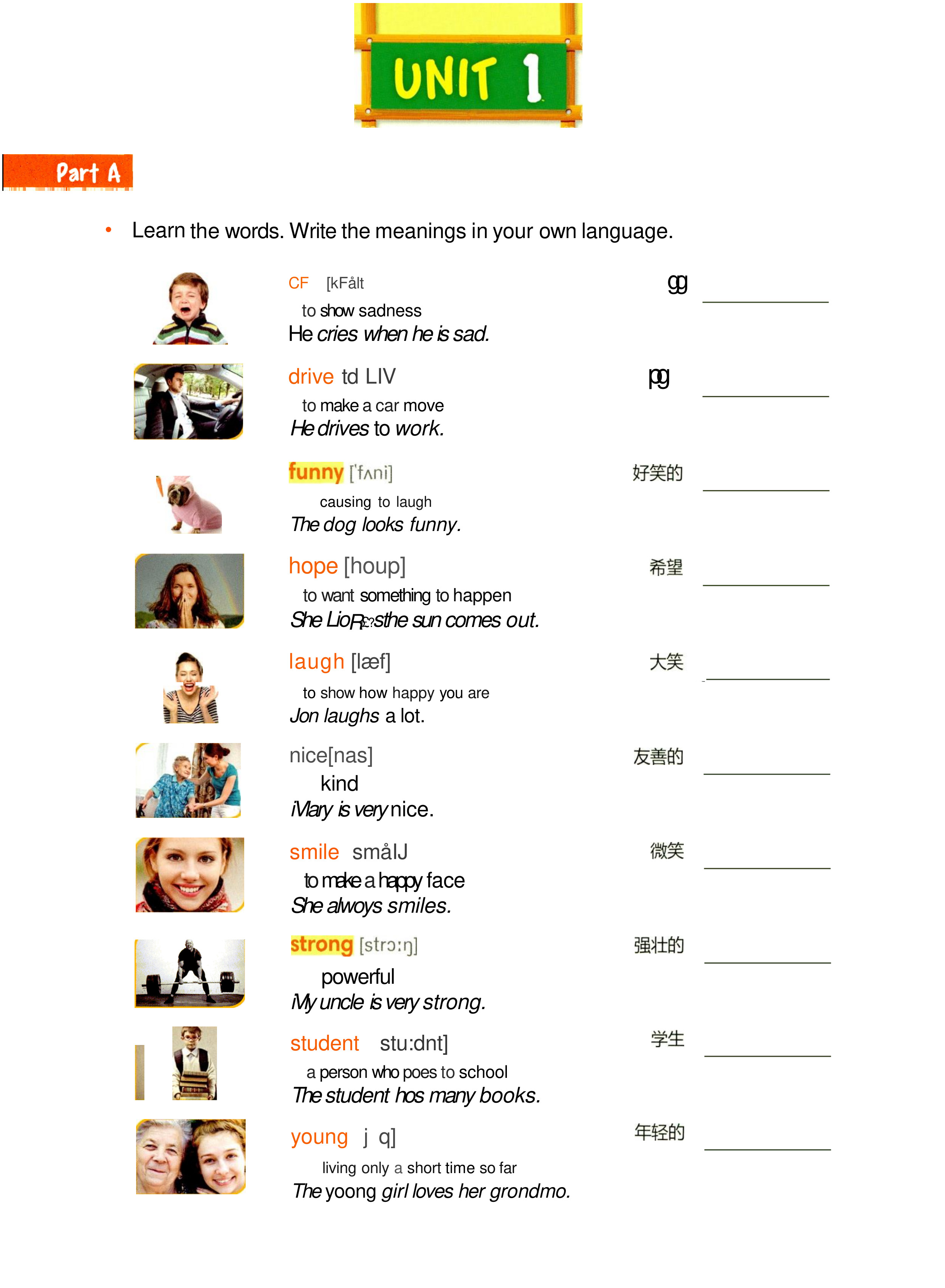





 Questions pour vous