 Request a Tutor Devenez tuteur
Hilversum, Pays-Bas
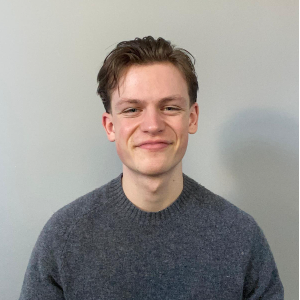
I'm Hugo, an IBDP graduate from International School Hilversum.
I started tutoring because I was the student who dreaded math. It often starts with not enjoying math. Then you f... En savoir plus
My approach is built on three pillars: Personalized Lessons, Interactive Learning, and Exam-Focused Preparation.
I use a framework of diagnose → practice → review → test, suppor... En savoir plus

International School Hilversum
As mentioned in my teaching methodology and bio, my lessons are built around a simple structure: diagnose → practise → review → test. At the start I figure out where it’s going wrong (is it the concept, the method, or just consistency under pressure?). Then we work through problems step-by-step, and I ask a lot of questions as we go so the student isn’t passive. I also keep an error log. This is not to make anyone feel bad. The error log it’s the fastest way to spot patterns (e.g., algebra slips, forgetting a rule, misreading the question). Once we know the pattern, we can fix it properly and stop repeating the same mistakes. As we get closer to exams, we shift to exam-style questions, time limits, and clear working so the student can pick up method marks and stay calm under pressure. This is essential as students must not only know the skills, but also be able to apply the skills correctly, under pressure.
Yes, I tutor online and it works really well for maths. We’ll do a video call and write things out as we go, so it still feels like proper tutoring rather than just “talking at a screen.” Outside of sessions I’m easy to reach. Quick messages are fine if a student is stuck or unsure what to do next, I’ll nudge them in the right direction so they can keep moving.
I mainly work with IB students, especially MYP Maths including Extended Mathematics. I’m best at teaching the topics that usually make the biggest difference to grades like algebra, equations/inequalities, functions and graphs, quadratics, statistics and probability, geometry (including Pythagoras) and trigonometry. I stay up to date by following the student’s exact school plan and assessments. We use their textbook, recent tests, and the question styles they’re actually being marked on, so what we practise in lessons directly improves results.
Parents get consistent updates from me. Every few weeks I send a short note with the main topics we covered, how the student is progressing, and what we're targeting next. If something is slowing progress down, like a recurring mistake pattern, confidence issues, or gaps in earlier topics, I'll flag it clearly and explain what we're doing in lessons to fix it. The aim is that parents always know where things stand, what's improving, and what the next step is before the next test.
I provide extra materials alongside lessons, and I tailor them to what the student needs most at that point. That usually includes practice questions, exam-style problems, and short summaries of methods we've used so the student can revise between sessions. I also keep an error log so we can spot patterns and focus practice where it will have the biggest impact. As exams get closer, increase the amount of timed exam practice so students build accuracy, clear working, and pacing.
Homework is where most progress happens, but only if it’s the right homework. I’ll usually set a short task that reinforces what we did in the lesson, and then at the start of the next session we review it quickly. If they got something wrong, we figure out why it happened and add it to the error log. To make sure they understand, I’ll often ask them to teach the method back to me in their own words, or solve a similar question without help. If they can do that calmly, they’ve got it.
Some students need slower pacing and repetition, others need challenge and speed. Some need confidence first others need structure. So I test different approaches early on: examples, questions, timed practice, explaining back, etc. The goal is always that the student should leave the lesson feeling clear about what to do next and able to repeat the method without me.
I don't have specialist qualifications in learning disabilities, but I'm very comfortable adapting how I teach when a student needs a different pace or approach. Some students need things broken down more, some need more repetition, and some just need a calmer rhythm so they don't panic and switch off. I adapt as we go depending on what the student is struggling with, and I check understanding regularly so we're not building on shaky foundations.



 Diplômes
 Questions pour vous